
What is the relationship between food waste and climate change
Food production, transportation, and food waste decomposition all contribute to greenhouse gas emissions and climate change on our planet.

A balanced diet based on foods such as secondary grains, legumes, fruits, vegetables and animal products obtained with low CO2 emissions has a better chance of adapting to climate change and reducing its effects.
Food waste and climate change are surprisingly closely linked. Not only does food in landfills release various gases that are detrimental to the climate, food waste is also a waste of the energy that has been expended in growing and cultivating these foods. Nevertheless, small changes can significantly reduce the impact on the environment.
Faced with the impact of our food on global warming, the IPCC report on climate change concludes that reducing food loss and waste will reduce greenhouse gas emissions and contribute to food security. This can be accomplished by changing what we eat or growing more resilient and hardy crops - rotational crops, cover crops, low-maintenance crops, crops interspersed with pastures, etc. - that can cope with extreme or variable weather events.
As a result, the UN advocates a more sustainable global approach and the implementation of early action as a strategy to confront climate change. It also recommends additional policies to help reduce population growth and inequality, as well as better nutrition and less food waste.
Causes and Consequences of Food Waste

In 2021, food waste decreased dramatically during the Covid 19 lockout as people left at home began to use up leftovers, meal planning, and freezing food rather than throwing it away. However, after the end of the lockout, food waste increased again and in 2022 it even exceeded pre-covid levels.
Disposed foodstuffs end up in large quantities in landfills, which can lead to soil and groundwater contamination. But the environmental effects of food waste don't stop there - food waste is considered a major source of methane in the atmosphere. About a third of the world's greenhouse gas emissions come from the agricultural industry, and nearly every scrap of food waste ends up in landfills, further polluting the air we breathe.
Growing, processing, packing, and transporting food all contribute to climate change. For example, about a third of fruits and vegetables are rejected because they are the wrong size or shape before they even reach the store. And when food is thrown away, it rots and releases even more greenhouse gases into the atmosphere.
Most of the world now lives in areas with unhealthy levels of air pollution, and pollution levels are expected to rise globally. Moreover, studies show that our indoor air quality (IAQ) is also becoming increasingly poor for several reasons. In addition to biological pollutants and excess moisture, outdoor phenomena can contribute to poor IAQ, such as car exhaust, structure and forest fires, and methane fumes from nearby landfills and landfills.
While there is not much we can do on an individual level to reduce air pollution from vehicles or other types of pollution, people can do more in terms of preventing food waste. For example, before you go to the grocery store, plan your purchases to avoid buying foods you don't need or that may spoil before they expire. And if you're not very creative about reusing leftovers, cook only as much as your family can consume in one meal to reduce food waste.
Food waste is a global problem for all of us
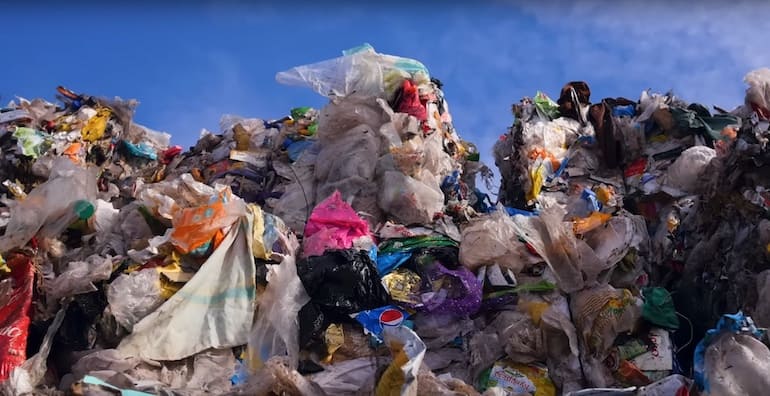
We have made our planet into a great storehouse of waste; not only do we throw away so much food, but we also ruin our planet's climate. Scientists have found that the imbalance combined with an unsustainable production model is a threat to our health, with too much meat, fish, processed foods, fats, sugar and dairy products in our diet, and not enough essential ingredients like fruits and vegetables. This fact harms us and the health of the planet, which is under tremendous food stress.
The environmental impact of food waste is everywhere-no matter where you live-but the United States is one of the biggest culprits in the world. Back in 2017, discarded food took up more space in U.S. landfills than other types of waste. Every year, discarded food alone costs a family of four nearly $2,000, and about 50 percent of all fruits and vegetables end up in landfills without being eaten.
Food waste patterns can vary greatly from country to country, and some states boast more comprehensive waste management policies than others. In the U.S. and other high-income countries, most food waste is generated at the consumption and household level rather than at an earlier stage. In contrast, in developing countries, more food waste is generated at the harvest and production stages. But all of this together leads to climate change on our planet.