
12 basic Eco-friendly family practices


Living a sustainable lifestyle is important for the health of our planet and future generations. Here are 12 easy eco-friendly family practices to incorporate into your daily routine:
- Reduce plastic waste: Avoid using single-use plastic products such as straws, water bottles, and shopping bags. Use reusable bags and containers instead.
- Conserve water: Turn off the tap while brushing your teeth, and take shorter showers to conserve water.
- Recycle: Set up a recycling system in your home and make sure everyone in the family knows how to use it.
- Compost: Composting organic waste reduces the amount of waste that ends up in landfills and creates nutrient-rich soil for your garden.
- Use energy-efficient appliances: Switch to energy-efficient appliances and light bulbs to reduce your energy consumption and save money.
- Plant a garden: Growing your own vegetables and herbs is a great way to reduce your carbon footprint and enjoy fresh, organic produce.
- Use eco-friendly cleaning products: Switch to natural cleaning products that are free from harmful chemicals to protect the health of your family and the environment.
- Use public transportation: Use public transportation or carpool to reduce your carbon footprint and save money on gas.
- Reduce meat consumption: Eating less meat or going meatless a few times a week can reduce greenhouse gas emissions and improve your health.
- Buy local and organic: Support local farmers and buy organic produce to reduce the carbon emissions associated with transportation and support sustainable agriculture.
- Reduce paper waste: Use electronic communication and opt for paperless billing to reduce paper waste.
- Repair and reuse: Repair and reuse items instead of buying new ones whenever possible to reduce waste and save money.
Reduce plastic waste
Plastic pollution is a growing problem in our world today, and one of the biggest contributors to this problem is single-use plastic products. These items are designed to be used once and then thrown away, but they often end up in landfills or, even worse, in our oceans and waterways.
One of the easiest and most effective ways to reduce plastic waste is to avoid using single-use plastic products such as straws, water bottles, and shopping bags. These items are used for a few minutes or hours and then discarded, but they can take hundreds of years to break down, if ever.
Instead of using single-use plastic products, consider using reusable bags and containers. Reusable bags can be made of cloth or other durable materials and can be used again and again, reducing the need for plastic bags. Similarly, reusable containers can be used to store food or other items instead of using plastic wrap or disposable containers.
Using reusable products not only helps to reduce plastic waste, but it can also save you money in the long run. Instead of constantly buying new single-use products, you can invest in a few durable, reusable items that will last for years.
In addition to using reusable products, it's also important to recycle whenever possible. Many plastic products can be recycled, and by doing so, we can help reduce the amount of plastic waste that ends up in landfills and oceans.
Reducing plastic waste may seem like a small step, but it can have a big impact on our planet. By avoiding single-use plastic products and using reusable bags and containers, we can help protect our environment and create a more sustainable future for ourselves and future generations.
Conserve water

Water is an essential resource that is required for various activities such as drinking, cooking, cleaning, and irrigation. However, water is a finite resource, and its availability is becoming a concern in many parts of the world. Hence, it is essential to conserve water and use it judiciously to ensure its sustainable availability.
One of the easiest ways to conserve water is by turning off the tap while brushing your teeth. It may seem like a small action, but leaving the tap running while brushing can waste up to 5 gallons of water per day. Therefore, by turning off the tap while brushing, you can save a significant amount of water every day.
Another way to conserve water is by taking shorter showers. Showers are a common source of water wastage, and reducing shower time can have a significant impact on water conservation. Taking shorter showers, say around 5-10 minutes, can save a considerable amount of water per day.
Apart from these two practices, there are other ways to conserve water, such as fixing leaky faucets, using a broom instead of a hose to clean driveways, and collecting rainwater for watering plants. These practices not only conserve water but also help reduce your water bill.
In conclusion, water is a precious resource, and it is essential to conserve it for sustainable availability. By turning off the tap while brushing and taking shorter showers, you can significantly reduce water wastage and contribute to water conservation. These simple actions can have a big impact on the environment and our future generations.
Recycle

Recycling is an important aspect of reducing our impact on the environment. By recycling, we can help reduce the amount of waste that ends up in landfills and the amount of resources that are used to produce new products. Setting up a recycling system in your home is a great way to make sure that you and your family are doing your part to help the planet.
The first step in setting up a recycling system is to determine what can be recycled in your area. Check with your local waste management agency to find out which materials are accepted for recycling. Commonly recycled materials include paper, cardboard, glass, metal, and certain types of plastic.
Once you know what can be recycled, it's important to make sure that everyone in the family knows how to use the recycling system. This might mean labeling bins or containers for different materials, or creating a chart or list to remind everyone what can and cannot be recycled. Make sure to place recycling bins in convenient locations around your home, such as in the kitchen and near the garage or back door.
When it comes to recycling, it's important to remember that not all materials are created equal. Some materials, such as aluminum and steel, can be recycled indefinitely, while others, such as plastic, have limited recyclability. It's important to follow guidelines for recycling each type of material to ensure that it can be properly processed and reused.
In addition to setting up a recycling system in your home, you can also reduce the amount of waste you generate by practicing other eco-friendly habits. For example, consider composting food scraps and yard waste instead of throwing them in the trash. You can also opt for reusable containers instead of single-use packaging when packing lunches or storing food.
By making a conscious effort to reduce the amount of waste you generate and properly disposing of materials that can be recycled, you can help protect the environment and preserve valuable resources for future generations. So start recycling today and encourage your family and friends to do the same!
Compost

Composting is a simple and effective way to reduce the amount of waste that ends up in landfills while also creating nutrient-rich soil for your garden. If you're looking for ways to reduce your environmental impact and improve your garden, composting is a great place to start. Here are some tips for getting started with composting:
- Choose a compost bin or system that works for you. There are many different types of compost bins and systems available, from simple outdoor piles to indoor worm bins. Choose a system that fits your lifestyle and space.
- Collect organic waste. Collect organic waste such as fruit and vegetable scraps, coffee grounds, and eggshells. Avoid adding meat, dairy, and fats, as they can attract pests and take longer to break down.
- Layer the organic waste. Layer the organic waste with brown materials such as dry leaves, shredded paper, or straw. This helps to balance the carbon-to-nitrogen ratio and helps the compost break down more quickly.
- Keep the compost moist. Compost needs to stay moist to break down properly. Water the compost regularly, or add wet materials such as food scraps or grass clippings.
- Turn the compost. Turning the compost helps to aerate it and speeds up the breakdown process. Use a pitchfork or shovel to turn the compost every week or two.
- Use the finished compost. Once your compost is ready, use it in your garden as a nutrient-rich soil amendment. Your plants will thank you!
Composting is an easy and effective way to reduce your environmental impact and improve your garden. By following these simple tips, you can create nutrient-rich soil for your plants and reduce the amount of waste that ends up in landfills. Start composting today and see the benefits for yourself!
Use energy-efficient appliances
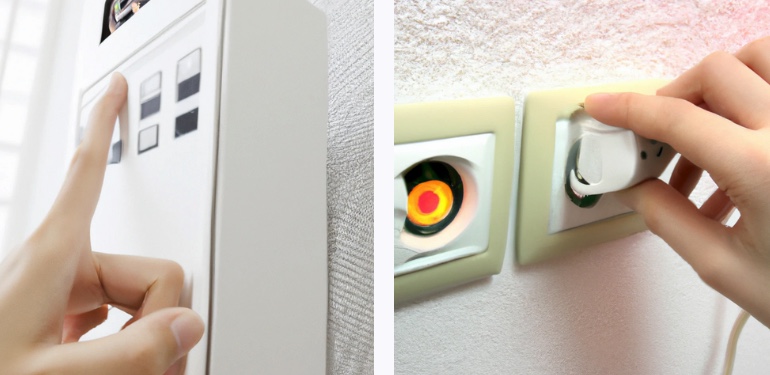
As energy prices continue to rise and the impact of climate change becomes more apparent, many families are looking for ways to reduce their energy consumption and save money. One of the most effective ways to do this is by switching to energy-efficient appliances and light bulbs.
Energy-efficient appliances use less energy than traditional appliances, which means they cost less to operate and produce fewer greenhouse gas emissions. Some examples of energy-efficient appliances include refrigerators, washing machines, dryers, dishwashers, and air conditioners. When shopping for new appliances, look for the Energy Star label, which indicates that the appliance meets energy-efficiency guidelines set by the US Environmental Protection Agency (EPA).
In addition to appliances, you can also switch to energy-efficient light bulbs. LED bulbs are the most energy-efficient option and can last up to 25 times longer than traditional incandescent bulbs. They also produce less heat, which means they can help keep your home cooler during the summer months.
Making the switch to energy-efficient appliances and light bulbs may require an initial investment, but the savings in energy costs over time can make it well worth it. Plus, you'll be doing your part to reduce your carbon footprint and help protect the environment.
Here are some additional tips to help you save energy and reduce your carbon footprint:
- - Unplug electronics when they're not in use to avoid "phantom" energy usage.
- - Set your thermostat a few degrees lower in the winter and a few degrees higher in the summer to save energy.
- - Use natural lighting whenever possible, and turn off lights when you leave a room.
- - Use a programmable thermostat to automatically adjust your heating and cooling settings when you're not at home.
- - Upgrade your home's insulation to keep it more energy-efficient.
By following these tips and making the switch to energy-efficient appliances and light bulbs, you can reduce your energy consumption and save money while also doing your part to protect the environment.
Plant a garden
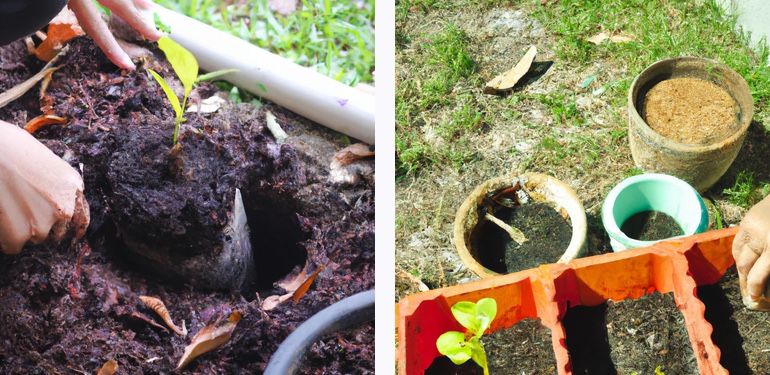
Growing your own vegetables and herbs is not only a great way to enjoy fresh, organic produce but also a sustainable way to reduce your carbon footprint. By planting a garden, you're reducing the amount of transportation and packaging associated with store-bought produce. Additionally, you have control over the use of pesticides and chemicals in your food, which is often not the case in commercial agriculture. You can choose to use organic fertilizers and compost, which not only improve soil fertility but also reduce environmental pollution.
Starting a garden doesn't require a large outdoor space. Even a small balcony or windowsill can be used to grow herbs and small vegetables like cherry tomatoes, peppers, and lettuce. It's also a fun and relaxing hobby that provides a sense of accomplishment as you watch your plants grow and harvest your own produce.
To start a garden, choose a location with good drainage and plenty of sunlight. You can start with easy-to-grow vegetables and herbs like tomatoes, cucumbers, peppers, basil, parsley, and thyme. Preparing the soil by removing weeds and adding organic matter is important for the success of your garden. Watering your plants deeply and consistently is essential, especially during dry periods. You can also mulch to retain moisture in the soil and reduce the need for frequent watering.
Read more about Gardening here
In conclusion, planting a garden is a sustainable way to reduce your carbon footprint while enjoying fresh, organic produce. It's a fun and rewarding hobby that benefits both you and the environment.
Use eco-friendly cleaning product
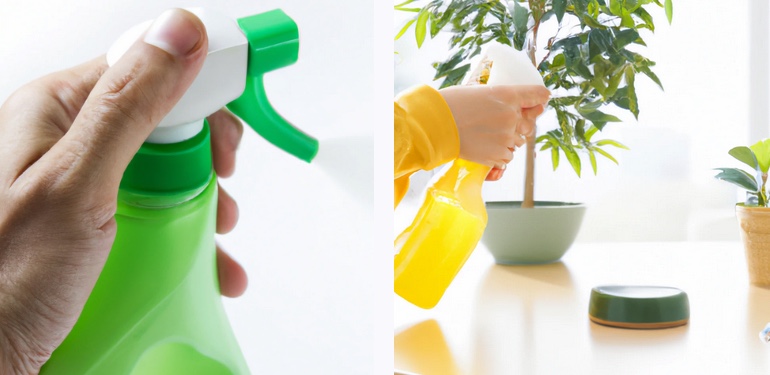
Many household cleaning products contain harmful chemicals that can be detrimental to the environment and the health of your family. The good news is that there are now many eco-friendly cleaning products available that are free from harmful chemicals and are just as effective as traditional cleaning products.
Switching to eco-friendly cleaning products is not only beneficial for the environment but also for your health. Harmful chemicals in cleaning products can cause respiratory problems, skin irritation, and other health issues. By choosing natural cleaning products, you can avoid these health risks and protect your family's health.
Eco-friendly cleaning products are made from natural ingredients that are safe for the environment. They are biodegradable, which means they break down easily and do not harm aquatic life. Natural ingredients like vinegar, baking soda, and essential oils are effective in cleaning and disinfecting surfaces without leaving harmful residue.
Using eco-friendly cleaning products is also cost-effective in the long run. While natural cleaning products may be slightly more expensive than traditional cleaning products, they are concentrated and last longer, which means you'll need to buy them less frequently.
To switch to eco-friendly cleaning products, start by checking the labels of the cleaning products you currently use. Look for products that are free from harmful chemicals and are biodegradable. You can also make your own natural cleaning products using ingredients like vinegar, baking soda, and essential oils.
In conclusion, switching to eco-friendly cleaning products is an easy and effective way to protect the environment and the health of your family. By choosing natural cleaning products, you can avoid harmful chemicals, reduce waste, and save money in the long run. Start making the switch today and make a positive impact on the environment and your health.
Use public transportation

In today's world, reducing our carbon footprint is becoming increasingly important. One of the most significant contributors to greenhouse gas emissions is transportation. While cars are convenient, they also have a negative impact on the environment. Fortunately, there are simple ways to reduce our carbon footprint and save money on gas. One of the most effective ways to do this is by using public transportation or carpooling.
Public transportation is a convenient and cost-effective way to get around town. By taking the bus, train, or subway, you can significantly reduce your carbon footprint by reducing the number of cars on the road. Public transportation is also often cheaper than driving a car, and you don't have to worry about parking. Many cities also have bike-sharing programs, which are a great way to get around while also getting some exercise.
Carpooling is another great option for reducing your carbon footprint and saving money on gas. By sharing a ride with coworkers or friends, you can reduce the number of cars on the road and split the cost of gas. Carpooling also helps reduce traffic congestion and saves time by allowing you to use the carpool lane.
In addition to the environmental and financial benefits, using public transportation or carpooling can also be a social experience. You can meet new people and make new friends, and it's a great way to network.
In conclusion, using public transportation or carpooling is an easy and effective way to reduce your carbon footprint and save money on gas. It's also a great way to meet new people and have a positive social experience. So, the next time you need to go somewhere, consider leaving the car at home and taking public transportation or carpooling instead.
Reduce meat consumption
Meat consumption has been a staple in many cultures for centuries, but recent studies have shown that reducing meat consumption can have a positive impact on both our health and the environment. Eating meat has been linked to numerous health problems, including heart disease and cancer, and it's also a major contributor to greenhouse gas emissions.
Meat production requires a large amount of resources, including water, land, and feed. The process of producing meat is energy-intensive, and the transportation of meat to supermarkets and restaurants adds to its carbon footprint. By reducing our meat consumption or going meatless a few times a week, we can significantly reduce our carbon footprint and improve our health.
There are many delicious plant-based alternatives to meat that are high in protein and other essential nutrients. Legumes, nuts, and seeds are great sources of protein and are much more sustainable than meat. Tofu, tempeh, and seitan are also great meat substitutes that can be used in a variety of dishes.
Going meatless a few times a week can also have positive health benefits. Plant-based diets have been shown to reduce the risk of heart disease, cancer, and other chronic diseases. By incorporating more fruits, vegetables, and whole grains into our diets, we can improve our overall health and well-being.
Reducing meat consumption doesn't mean we have to give up meat altogether. We can still enjoy meat in moderation while also incorporating more plant-based meals into our diets. By doing so, we can reduce our impact on the environment and improve our health.
In conclusion, reducing meat consumption is an easy and effective way to reduce our carbon footprint and improve our health. By incorporating more plant-based meals into our diets and reducing our meat consumption, we can make a positive impact on the environment while also improving our health and well-being.
Buy local and organic
As consumers, we have the power to make a positive impact on the environment and support sustainable agriculture by buying local and organic produce. Buying local and organic means supporting local farmers, reducing carbon emissions associated with transportation, and promoting sustainable farming practices.
When we buy produce that's grown locally, we're supporting local farmers and reducing the carbon emissions associated with transporting food long distances. The transportation of food from farms to supermarkets and restaurants contributes to greenhouse gas emissions, and by buying local, we can reduce this impact.
Organic farming practices also have a positive impact on the environment. Organic farming uses fewer chemicals and pesticides, which can reduce the amount of pollution that enters our waterways and soil. Organic farming also promotes biodiversity, which helps to support a healthy ecosystem.
Buying local and organic produce can also have health benefits. Organic produce is often grown without the use of synthetic pesticides, which can be harmful to human health. Local produce is also fresher, meaning it retains more nutrients than produce that's been transported long distances.
There are many ways to buy local and organic produce. Local farmers' markets are a great way to support local farmers and buy fresh, locally grown produce. Community-supported agriculture (CSA) programs allow consumers to purchase a share of a farm's produce and receive regular deliveries of fresh, seasonal produce.
In conclusion, buying local and organic produce is an easy and effective way to reduce our carbon footprint and support sustainable agriculture. By supporting local farmers, reducing the carbon emissions associated with transportation, and promoting sustainable farming practices, we can make a positive impact on the environment and our health. So, the next time you're at the grocery store, consider buying local and organic produce to support your community and the planet.
Reduce paper waste

In today's digital age, we have access to many tools that can help us reduce our impact on the environment. One easy and effective way to do this is by reducing our paper waste. By using electronic communication and opting for paperless billing, we can significantly reduce the amount of paper we use and help protect our forests.
Using electronic communication tools, such as email and messaging apps, is a great way to reduce paper waste. Instead of printing out documents or letters, we can send them electronically, saving both paper and the energy required to produce and transport paper. This can be especially useful in the workplace, where many documents and memos are shared among colleagues.
Opting for paperless billing is another great way to reduce paper waste. Many companies now offer paperless billing options, which allow customers to receive bills and statements electronically rather than by mail. By choosing paperless billing, we can reduce the amount of paper that's produced and save trees in the process.
Reducing paper waste doesn't just benefit the environment, it can also save us time and money. Electronic communication is often faster and more efficient than traditional paper-based methods. Paperless billing can also save us money on postage and reduce the clutter of paper bills and statements in our homes.
In conclusion, reducing paper waste is an easy and effective way to reduce our impact on the environment and save resources. By using electronic communication tools and opting for paperless billing, we can significantly reduce the amount of paper we use and help protect our forests. So, the next time you're about to print out a document or receive a paper bill, consider using electronic communication or opting for paperless billing instead. Your wallet and the environment will thank you!
Repair and reuse
When we repair and reuse items, we're extending their lifespan and reducing the amount of waste that goes to landfills. Many items can be repaired easily, such as clothing with small tears or electronics with simple malfunctions. By taking the time to repair these items, we're not only reducing waste, but we're also saving money by avoiding the cost of buying a new item.
Reusing items is another great way to reduce waste and save money. For example, instead of buying new clothes every season, we can swap clothes with friends or shop at secondhand stores. We can also reuse containers and bags for food storage instead of buying new ones.
Repairing and reusing items doesn't just benefit the environment and our wallets, it can also be a fun and creative activity. Learning to repair items can be a satisfying challenge, and finding new ways to reuse items can be a fun and rewarding creative exercise.
By adopting these eco-friendly family practices, you can make a positive impact on the environment and inspire others to live sustainably as well.