
Climate Change of our Planet and what are the major types of physical evidence for Сlimate Сhange?

In school, we were only told about climate change, its causes, and its consequences for our planet Earth and all the humanity that lives on the planet. But now, in the fall of 2022, we are seeing how climate change is affecting the environment as a whole, and we realize that it is happening very quickly. Everything we read about in books in high school, we are observing today and seeing with our own eyes.

Have you ever tried to understand why climate change is happening faster every day? Why is the Earth experiencing more and more extreme weather? Why was it cooler last year, the same month of the year, than the same month this year?
When did climate change begin on our planet?
Warming today is of particular importance in light of the fact that the vast majority of it is very likely (more remarkably than a 96% probability) to be due to human activity since the middle of the 20th century, and has continued at a tremendous rate for a long time, up to millennia throughout human existence.
Climate change is not something that happened yesterday or in the last few months or years. Our planet's climate has been completely changing for centuries. Climate change began about 12,000 years ago, and there have been seven cycles of glacial onset and retreat in all over the past 700,000 years, with the abrupt end of the last ice age occurring about 12,000 years ago and being the beginning of the modern climatic era - and the human civilization we still live in today.
Orbiting Earth satellites and other advanced advances have allowed researchers to see a more accurate perspective, collecting different kinds of data about our planet and its atmosphere on a global scale. Through this information, collected over many years, signs of atmospheric change are being discovered.
What is Climate Change?
The definition of climate change is a definition referring to the environment of our planet Earth, a concept that defines extreme changes in climate over a period of time. NASA scientists have determined that the surface of planet Earth is getting warmer, and many of the warmest years in observational history have occurred in the last 10-20 years.
Such rapid climate change is certainly problematic, and it is a consequence of global warming. The ozone layer is becoming thinner, causing extreme temperatures to be observed even in the coldest parts of our planet, although this has never happened there before.
Causes of Climate Change
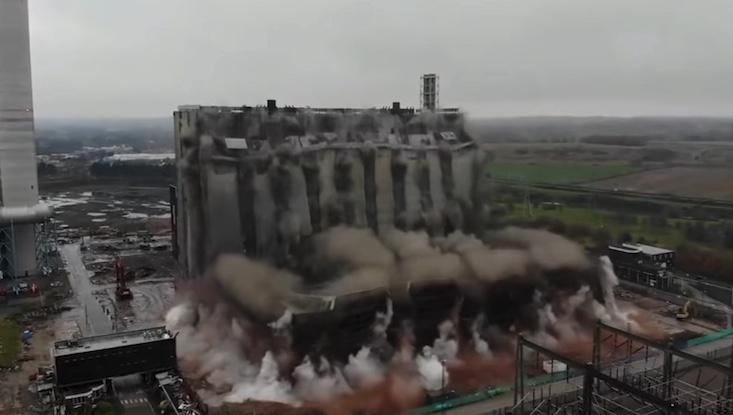
The warming of cold parts of our planet, the melting of glaciers, the pollution of the air we all breathe - all these factors make the environment suffer and have the most adverse effect on our planet. We do not realize that what we do to the environment in turn affects us: smog, dirty breathing air, disease, extreme temperatures, and other such factors affect both humans and the environment.
Ice cores taken from Antarctica, Greenland, and the ice masses of tropical mountains show that the atmosphere of planet Earth responds to changing levels of greenhouse gases. Ancient evidence can also be found in marine silt, tree rings, coral reefs, and sediment layers. This paleoclimate or ancient evidence shows that global warming is occurring about several times faster than the normal rate of warming caused by the recovery of the Ice Age. Carbon dioxide from human activities has been increasing many times faster than from conventional sources since the end of the last ice age in human history.
All of these negligent actions lead to a decrease in the ozone layer and global warming, which has the greatest impact on climate change. And that's bad news for all of us.
How do we prevent climate change?
We all need to understand that human activities are causing so much damage to the environment, it is our civic duty to take care of the health of nature and our planet as a whole. The earth is slowly depleting every year due to the irresponsibility and carelessness of us humans living on the planet, but there are ways to change the situation and prevent climate change and deterioration.
We need to start recycling today, start recycling our trash. Recycle all of our waste into new things and use recyclable materials. We must reduce the use of plastic at all costs because it takes tens or hundreds of years for one little piece of plastic to decompose in landfills and in the soil, and when it is incinerated it emits harmful substances that affect the air that people breathe and the ozone layer. We need to do away with plastic packaging, bottles, dishes and everything else - instead we should start using biodegradable packaging and storage boxes.
We need to invest in energy-efficient energy sources instead of relying on electricity alone. We should use energy-efficient light bulbs and solar systems to generate electricity, and try to use natural sunlight during the day and keep the lights off during the day.
Try to stop polluting the planet! We need to reduce air pollution from cars and smoke from factories, use public transportation efficiently, and use our personal cars less. Water pollution is very sad because it not only pollutes the water we consume, but it also kills marine life. Thousands of species live in the water, and our pollution from factory and other waste is killing them. Now is the time to be responsible not only for our planet, but also for animals and other living things.
Examples of Climate Change
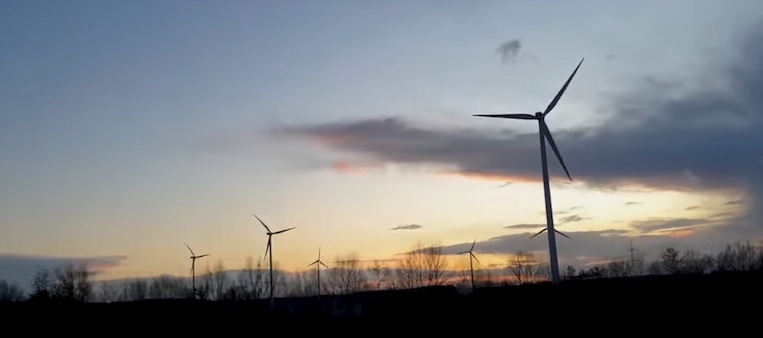
Climate change is caused by each of us, we often think we are doing something insignificant, thereby causing minimal harm to nature, but we are not. Even small actions can cause tremendous harm to our planet, and we can see this if we analyze the physical evidence of climate change on planet Earth:
- Sea level rise: Over the past century, global sea level has risen about 8 inches (20 centimeters). In the past two decades, however, the rate has been almost twice what it was in the last century, and is accelerating slightly each year.
- Melting Glaciers:Glaciers in Antarctica, Switzerland, and Greenland are melting much faster as a result of global warming. Human activity produces more carbon dioxide than greenhouse gases, resulting in melting snow tops and ice sheets at the North Pole.
- Changes in Bird Migration Patterns: A study published in Nature Climate Change suggests that rising temperatures cause birds to migrate a little earlier each following spring. The study found that over each decade, the journey home shifts by a few days.
- Changes in precipitation and weather patterns: As temperatures rise and the air gets warmer, more moisture evaporates from the ground and water into the atmosphere. This happens because climate change causes shifts in air and ocean currents that can change weather patterns.
- Warming of the oceans: in 2022, the World Ocean has absorbed much of this increased heat, with the top 100 meters (about 328 feet) of the ocean showing a warming of more than 1 degree Fahrenheit (0.556 degrees Celsius) since 1970. The earth stores up to 90% of the extra energy in the ocean.
Conclusions on the main causes of Climate Change
It is elementary changes in our daily activities that will ultimately lead to such significant changes. Everyone needs to understand that climate change depends on each of us. Giving up plastic is easy: just stop buying plastic-wrapped water bottles, just fill your own containers at home. Don't shop in plastic bags, but bring your own bags or shop in paper brown bags. Save energy by turning off lights during the day, and conserve water. Small actions by everyone can help our planet heal and make it sustainable and livable for future generations!